Potatoes have remained one of the most versatile and comforting foods across generations. While modern cooking gadgets continue to gain popularity, traditional oven baking methods still produce some of the most satisfying results. A perfectly baked potato offers a crisp outer skin with a soft and fluffy center that works well as a side dish or a complete meal. Many home cooks continue to rely on classic oven techniques because they create reliable texture, rich flavor, and an authentic homemade experience.
Learning how to bake a potato properly is often less about complicated ingredients and more about patience, preparation, and using the oven correctly. Traditional baking methods have survived for decades because they consistently produce potatoes with excellent texture and taste.
Why Traditional Baking Methods Still Matter?
Conventional oven baking allows heat to surround the potato evenly, helping the moisture inside the potato cook slowly while the outer layer becomes crispy. This slow cooking process creates a better texture compared to shortcuts that often leave potatoes unevenly cooked or too dry.
Traditional baking also gives cooks more control over the final result. Temperature adjustments, baking time, and preparation techniques all contribute to creating potatoes that suit different preferences. Some people prefer extra crispy skins, while others focus on achieving the fluffiest possible interior.
Another reason traditional baking remains popular is simplicity. The process requires very few tools and minimal ingredients, making it accessible for almost any kitchen setup.
Choosing The Right Potato For Baking
Not all potatoes perform the same in the oven. Larger starchy potatoes are generally preferred for baking because they become light and fluffy during cooking. Their structure allows heat to penetrate gradually, creating the classic baked potato texture people expect.
Before placing potatoes in the oven, it is important to wash them thoroughly and remove any dirt from the skin. Since the skin becomes part of the final dish, proper cleaning improves both flavor and presentation.
Drying the potatoes completely after washing also helps create crispier skins during baking. Steaming may result from an excess of moisture, as opposed to roasting.
Preparing Potatoes The Traditional Way
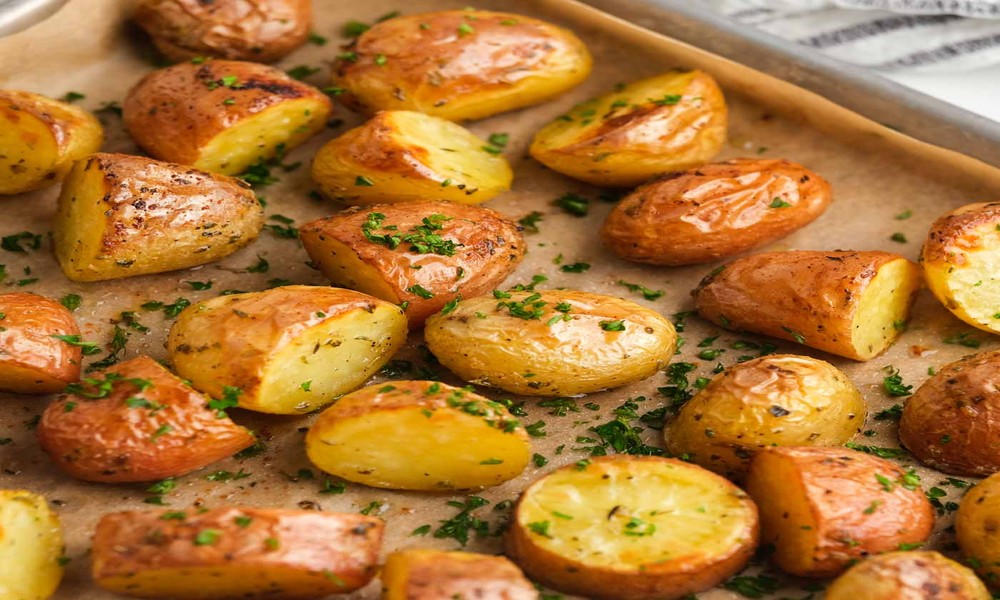
Classic baked potato preparation methods have remained mostly unchanged because they continue to work effectively. After cleaning and drying the potatoes, many cooks lightly coat the outside with oil and sprinkle a small amount of salt over the skin.
This simple preparation technique helps the skin become golden and crisp during baking. The salt also adds flavor while improving texture.
Piercing the potato with a fork a few times is another traditional step that allows steam to escape while cooking. This reduces pressure buildup inside the potato and helps maintain even cooking throughout.
Although modern shortcuts sometimes skip these steps, traditional preparation methods continue to deliver superior results.
Oven Temperature Makes A Difference
One of the biggest factors in mastering how to bake a potato is understanding oven temperature. Traditional baking methods often rely on moderate to high temperatures that slowly cook the inside while crisping the outside.
Lower temperatures may leave the potato skin soft and less appealing, while excessively high temperatures can burn the outside before the inside finishes cooking. A balanced baking temperature allows the potato to cook thoroughly without losing moisture.
Many experienced home cooks also avoid wrapping potatoes in foil because it traps steam and softens the skin. Traditional open oven baking allows dry heat to circulate freely, creating the crispy exterior many people prefer.
The Importance Of Patience During Baking
Traditional cooking methods often emphasize patience, and baked potatoes are no exception. Slow baking gives the starches inside the potato time to break down properly, resulting in a soft and fluffy center.
Rushing the process can leave potatoes dense or unevenly cooked. Allowing enough baking time improves both texture and flavor naturally without requiring complicated techniques.
Checking doneness is simple. A properly baked potato should feel soft when gently squeezed and allow a fork to slide easily into the center.
Classic Toppings Continue To Be Popular
Traditional baked potatoes remain popular partly because they pair well with countless toppings. Butter, cheese, sour cream, herbs, and vegetables continue to complement the potato’s natural flavor without overwhelming it.
Some people enjoy turning baked potatoes into complete meals by adding grilled vegetables, beans, or protein toppings. Others prefer keeping things simple with just butter and seasoning.
The versatility of baked potatoes has helped them remain a reliable comfort food across many households and cultures.
Why Traditional Methods Still Stand Out?
Despite the rise of air fryers, pressure cookers, and microwave shortcuts, traditional oven baking still produces some of the best potatoes. The gradual cooking process develops deeper flavor, balanced texture, and crisp skin that many alternative methods struggle to replicate.
Understanding how to bake a potato using traditional oven methods continues to be a valuable kitchen skill because it combines simplicity with dependable results. The process may take more time, but the outcome often feels more satisfying and flavorful.
Classic oven-baked potatoes prove that some cooking traditions continue to survive because they genuinely work. With proper preparation, patience, and attention to detail, traditional baking methods can still deliver the best potatoes for everyday meals and comforting family dinners.