The coffee machine industry has evolved into one of the most dynamic sectors in the global food and beverage landscape, driven by shifting consumer preferences, technological innovation, and a growing appetite for premium coffee experiences. From compact home brewers to large-scale commercial systems, the market continues to expand at a pace that few analysts predicted even a decade ago. Understanding where this industry is headed matters – not just for manufacturers, but for every business that depends on serving quality coffee.
The Current State of the Global Coffee Machine Market
The global coffee brewing equipment market was valued at approximately USD 25 billion in 2025, with projections suggesting it will surpass USD 38 billion by 2032. Growth is particularly pronounced in the Asia-Pacific region, where urbanisation and a rising middle class have fuelled demand for both home and commercial espresso machines. Singapore, with its vibrant cafe culture and high per-capita coffee consumption, sits at the centre of this regional surge.
Several factors underpin this growth. First, the post-pandemic shift towards hybrid work arrangements has sustained demand for home coffee brewing systems. Second, the foodservice sector – restaurants, hotels, and co-working spaces – has invested heavily in upgrading their coffee machine offerings to attract discerning customers. Third, sustainability concerns have pushed manufacturers to develop energy-efficient, low-waste machines that align with corporate environmental goals.
Key Trends Reshaping the Industry
Smart Connectivity and IoT Integration
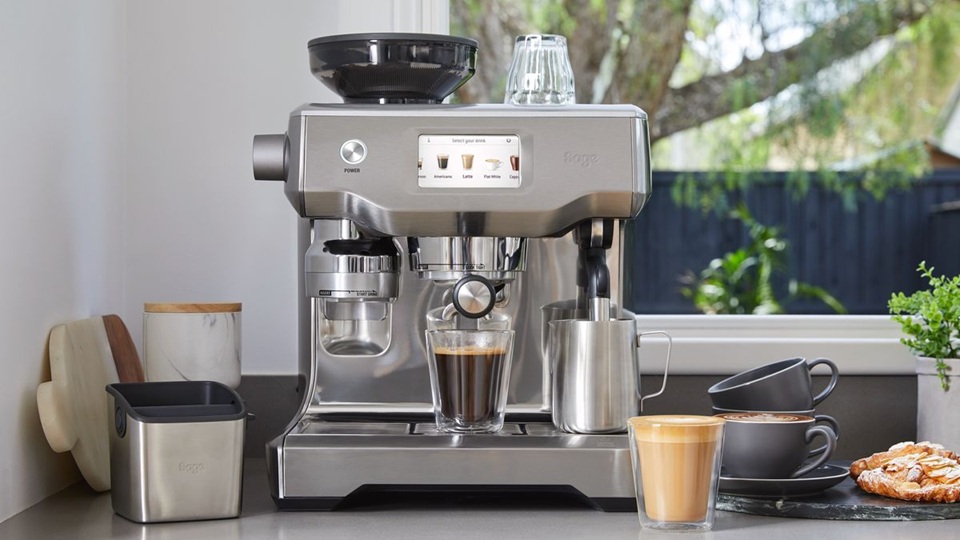
Modern bean-to-cup machines now feature Wi-Fi connectivity, mobile app controls, and cloud-based diagnostics. These smart features allow operators to monitor usage, schedule maintenance, and customise drink profiles remotely. For businesses managing multiple locations, this connectivity translates into significant operational savings and consistent beverage quality across sites.
Sustainability and Eco-Friendly Design
Consumers and businesses alike are demanding greener solutions. Manufacturers have responded with machines that use:
- Reduced energy consumption during standby modes
- Biodegradable or reusable coffee pods and capsules
- Water-saving brewing technologies
- Recyclable materials in machine construction
These innovations are not merely marketing exercises. They reflect genuine engineering advances that reduce the environmental footprint of every cup brewed.
Premiumisation and Specialty Coffee
The specialty coffee movement has fundamentally altered consumer expectations. People no longer accept mediocre brews – they want barista-quality drinks at the touch of a button. This has driven demand for high-end barista machines with precise temperature controls, adjustable grind settings, and milk frothing systems that rival those found in artisan cafes.
“We have seen a 40 per cent increase in demand for premium coffee solutions across Singapore’s office sector in the past two years alone,” says Rachel Tan, Director of Beverage Services at a leading Singapore hospitality consultancy. “Businesses recognise that quality coffee is no longer a perk – it is an expectation.”
Regional Focus: Asia-Pacific and Singapore
The Asia-Pacific coffee machine industry is expected to register the highest compound annual growth rate through 2032, driven by rapid urbanisation in markets such as China, India, and Southeast Asia. Singapore plays an outsized role relative to its population, serving as a testbed for new technologies and a gateway for brands entering the broader region.
Several Singaporean trends stand out. The island’s compact urban environment favours space-efficient machines with small footprints. Its multicultural population demands versatility – machines capable of producing everything from traditional kopi to flat whites and matcha lattes. And its sophisticated consumer base expects digital integration, from cashless payment to personalised drink menus.
The Role of Rental and Subscription Models
One of the most significant shifts in the market is the move from outright purchase to rental and subscription models. Businesses, particularly small and medium enterprises, prefer predictable monthly costs over large capital outlays. These models typically bundle the coffee brewing system with maintenance, servicing, and consumable supplies, creating a hassle-free experience that appeals to time-poor operators.
Challenges Facing the Industry
Despite robust growth, the industry faces headwinds. Supply chain disruptions continue to affect component availability, particularly for semiconductor chips used in smart machines. Rising raw material costs – steel, aluminium, and specialised plastics – have squeezed margins for manufacturers. And the sheer pace of innovation means that product life cycles are shortening, forcing companies to invest continuously in research and development.
Labour shortages in the foodservice sector have also shaped demand patterns. Businesses increasingly seek fully automatic machines that reduce reliance on trained baristas while maintaining beverage quality. This trend towards automation is likely to accelerate, particularly in markets with tight labour conditions like Singapore.
What Lies Ahead
Looking forward, several developments will define the next phase of industry growth. Artificial intelligence will enable machines to learn user preferences and optimise brewing parameters automatically. Modular designs will allow businesses to scale their coffee operations up or down without replacing entire systems. And partnerships between machine manufacturers and specialty coffee roasters will create integrated ecosystems that deliver exceptional quality from bean to cup.
The convergence of technology, sustainability, and consumer demand creates a compelling outlook for investors and operators alike. Companies that embrace these trends – and deliver genuine value rather than gimmicks – will thrive in an increasingly competitive landscape.
For businesses in Singapore seeking to stay ahead of these trends, partnering with an established provider ensures access to the latest coffee machine technology, expert maintenance, and a curated selection of premium coffee products. The future of the coffee machine industry is bright, and those who invest wisely today will reap the rewards for years to come.