

At a glance
- Choosing the right foodservice cheese sauce streamlines prep and ensures consistent quality.
- Strategic menu integration helps maintain service speed while boosting menu appeal and profitability.
- Proper storage, staff training, and equipment setup ensure smooth and efficient operations.
Cheese sauce remains a foodservice staple for good reason. Its smooth texture and rich flavour can transform familiar dishes into indulgent menu favourites.
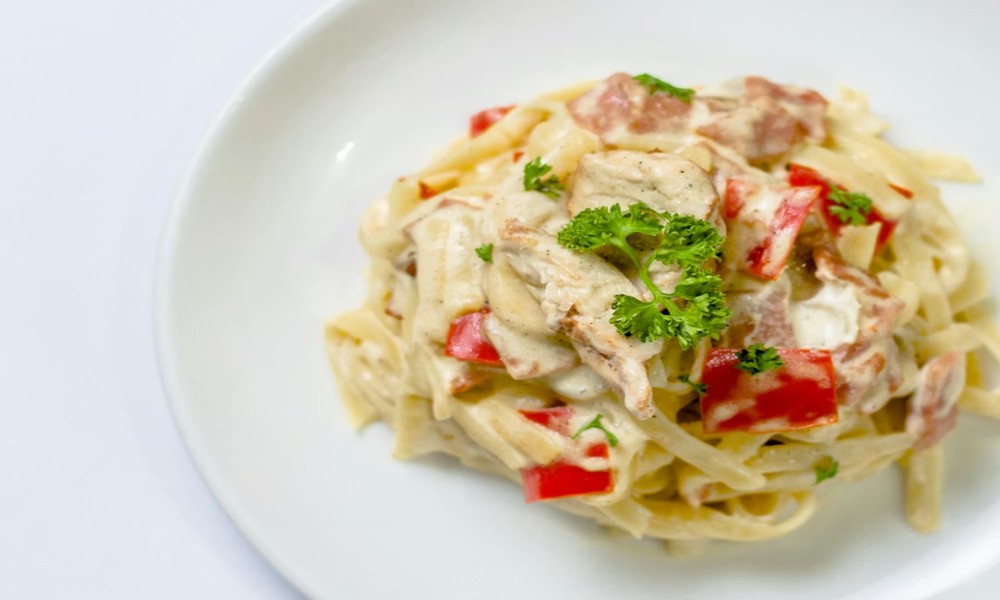
Whether drizzled over loaded fries, layered in burgers, or paired with pasta and sides, it delivers comfort and familiarity that customers instantly recognise. Yet some operators hesitate to introduce it, concerned about slowing down service or complicating kitchen workflows.
In reality, with the right product and process, cheese sauce can streamline operations, elevate menu appeal, and strengthen margins. Here’s how to integrate it efficiently without disrupting the pace of a commercial kitchen.
Choose the Right Type of Cheese Sauce
Selecting the right cheese sauce forms the foundation of efficient service. This begins with choosing the right preparation method and ensuring the flavour aligns with your menu.
Ready-to-use foodservice cheese sauces are designed for commercial kitchens, offering consistent quality and minimal preparation. They heat evenly, retain a smooth texture, and require little supervision, which are key advantages in maintaining service speed. Cheese sauces made in kitchens, while customisable, demand time and precision, often making consistency harder to maintain and slowing operations.
Equally important is selecting the right flavour profile. While it may not directly increase service speed, it prevents delays caused by adjustments or inconsistencies during preparation. A balanced sauce that complements multiple menu items, such as a mild white cheese sauce, streamlines execution by removing the need for on-the-spot modifications.
Plan Menu Integration Strategically
Efficiency comes from thoughtful integration, not scale of change. The goal is not to overhaul the entire menu, but to identify where cheese sauce can add the most value without disrupting workflows. High-volume items, such as burgers, loaded fries, and nachos, are natural candidates, as cheese sauce can be integrated seamlessly into their existing prep routines.
Introducing cheese sauce as an optional add-on or drizzle can also increase the menu appeal and average order value with minimal additional labour. For operators wanting to test demand, limited-time offerings can serve as an ideal trial run. This gradual integration enables them to refine portioning and service speed before expanding cheese sauce usage across the entire menu.
Implement Proper Storage Practices
Proper storage is essential for maintaining the quality, safety, and consistency of cheese sauce throughout service. It should be stored in airtight containers and kept refrigerated when not in use to maintain quality and food safety. Prompt refrigeration after use and proper storage help preserve texture and prevent spoilage. Clear labelling and FIFO rotation are equally important to maintain freshness.
If the cheese sauce is heated for serving, it must be hot-held at or above 60°C to remain safe for consumption. To support efficiency, portion-control cheese sauce dispensers help standardise serving sizes and minimise waste or overuse, ensuring each dish receives the same high-quality finish even during peak periods.
Train Staff on Efficient Cheese Sauce Handling
Staff training is essential to maintaining both speed and quality. When every team member understands how to handle cheese sauce correctly, service becomes smoother and more consistent.
Training should focus on portioning methods that maintain uniform servings, reheating techniques that bring cheese sauce to a safe serving temperature without scorching or over-thickening, and cleaning or refilling routines that minimise downtime.
When cheese sauce is managed properly, staff can move confidently through prep and service without hesitation or confusion.
Use Kitchen Tools and Equipment to Your Advantage
The right kitchen equipment can make a significant difference in maintaining efficiency. Heated dispensers and sauce warmers keep cheese sauce at a stable serving temperature, reducing the need for constant monitoring.
Portion pumps and ladles enable fast, accurate servings, improving consistency while minimising waste. Bain maries are particularly effective for maintaining gentle, even heat over longer service periods, preventing the sauce from burning or thickening excessively. Together, these tools streamline handling and portioning, ensuring cheese sauce enhances the menu without slowing service.
Adding cheese sauce to your menu does not have to disrupt your kitchen’s workflow. With the right ready-to-use, foodservice-grade product and efficient handling and storage practices, operators can maintain speed while elevating flavour and presentation.
Cheese sauce is not just an indulgent topping; it is a flexible ingredient that can boost menu appeal, drive upselling opportunities, and increase profitability without complicating workflows.
For foodservice operators, incorporating cheese sauce from a reliable Australian dairy supplier, such as Pure Dairy Food Service, ensures that every dish leaves the pass hot, consistent, and ready to impress.




More Stories
Coffee Machine Industry: Market Trends and Future Outlook
Office Lunch Caterer Checklist: 10 Questions to Ask Before Signing Up
The Benefits of Hiring Specialized Outdoor Catering for Large Events