Understanding low GI rice has become increasingly important for Singapore’s health-conscious consumers and food service establishments. The glycaemic index measures how quickly foods raise blood glucose levels, and rice varieties span a wide range on this scale. This guide explores what makes certain rice varieties lower on the glycaemic index and how to evaluate options for commercial or personal use.
What Is Low GI Rice
Low GI rice refers to rice varieties that score 55 or below on the glycaemic index, causing slower, more gradual increases in blood sugar. The GI scale runs from 0 to 100, with pure glucose scoring 100. Most white rice scores between 70 and 90, classified as high GI.
The glycaemic index depends on the ratio of amylose to amylopectin starches, grain processing level, and cooking methods. Rice with higher amylose content produces lower glycaemic responses because amylose digests more slowly.
Health Benefits of Low GI Rice
Research from institutions including the Singapore Health Promotion Board highlights several advantages of incorporating low GI rice into dietary patterns:
Blood Sugar Management
Lower glycaemic index rice helps maintain stable blood glucose levels. This proves valuable for individuals managing diabetes or metabolic syndrome, reducing dramatic spikes and crashes associated with high GI carbohydrates.
Sustained Energy
Low GI rice provides longer-lasting energy through gradual carbohydrate absorption. Singapore’s food service industry increasingly recognises this benefit for breakfast and lunch services.
Weight Management
Lower GI foods promote greater satiety, helping people feel full longer. Studies suggest diets emphasising lower GI foods may support weight management.
Cardiovascular Health
Diets emphasising lower GI foods may contribute to improved cholesterol profiles and reduced cardiovascular disease risk factors.
Comparing Rice Varieties by Glycaemic Index
Brown Rice Varieties
Brown rice generally scores 50 to 87 on the glycaemic index depending on variety and origin. The bran layer contains fibre, vitamins, and minerals that slow digestion. Australian-grown varieties often exhibit lower GI values than many Asian types.
Basmati Rice
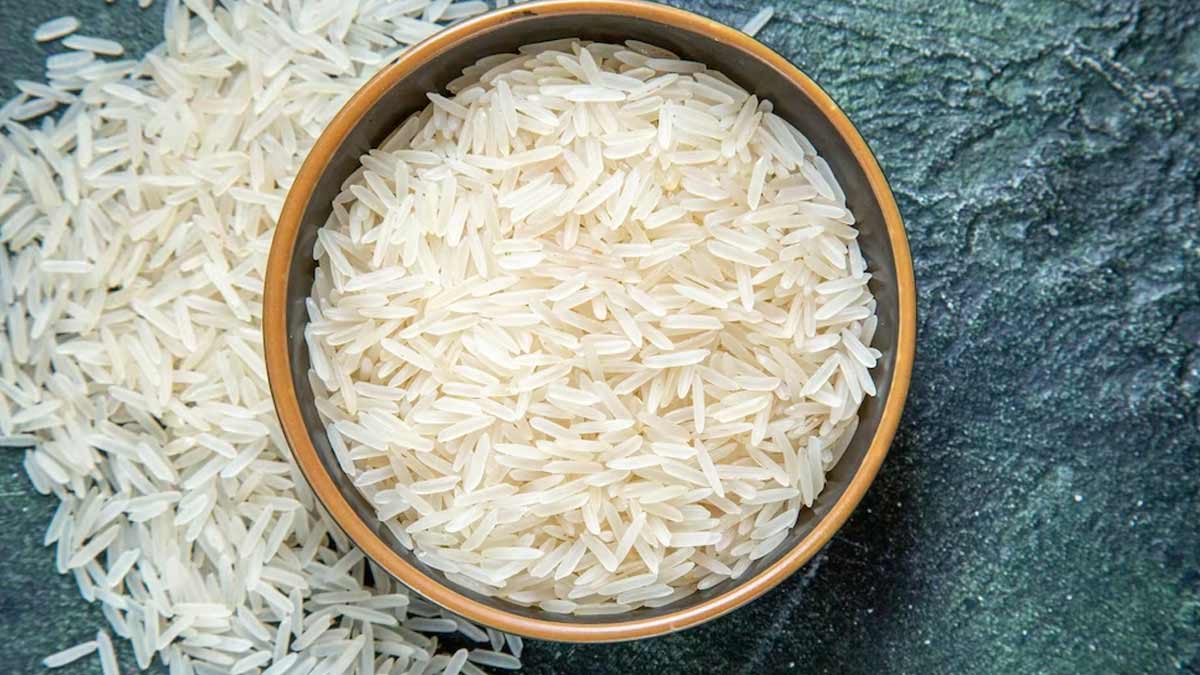
Basmati rice typically scores between 50 and 58. The long grain structure and high amylose content contribute to its lower GI profile.
Jasmine and Other Fragrant Rice
Thai jasmine rice typically scores 68 to 80. The lower amylose content that creates jasmine rice’s soft, sticky texture also means faster carbohydrate absorption. While excellent for flavour, jasmine rice does not qualify as low GI rice.
Short Grain Varieties
Short grain rice, often used in Japanese and Korean cuisine, typically contains higher amylopectin and scores higher on the GI scale.
How to Choose Low GI Rice
When selecting low gi rice for commercial or retail purposes, consider these criteria:
Check Variety and Origin
Rice variety significantly impacts GI values. Research specific varieties’ documented glycaemic indices rather than assuming all rice within a category performs similarly.
Consider Processing Level
Less processed rice generally maintains more fibre and nutrients that slow digestion. Brown rice varieties retain the bran layer that moderates glucose absorption.
Evaluate Amylose Content
Rice with higher amylose content typically produces lower glycaemic responses. Technical specifications from suppliers may include amylose percentages.
Cooking Method Matters
The same rice can produce different glycaemic responses depending on technique:
- Cooking rice al dente rather than very soft reduces GI
- Allowing cooked rice to cool creates resistant starch, lowering GI
- Using less water produces firmer rice with potentially lower GI
- Reheating previously cooled rice maintains resistant starch benefits
Practical Considerations for Singapore’s Food Service
Singapore’s diverse culinary landscape requires balancing health considerations with cultural preferences:
Menu Integration
Restaurants can offer low GI rice options alongside traditional varieties, allowing customers to choose based on dietary preferences.
Customer Education
Food service operations benefit from staff training on GI concepts. Customers increasingly ask about lower GI options, particularly for lunch services.
Sourcing Considerations
When sourcing lower glycaemic rice, verify supplier documentation regarding variety authenticity and quality standards.
Storage and Preparation
Low GI rice varieties require cool, dry storage. Brown rice varieties have shorter shelf lives than white rice.
The Reality of GI Values
Individual responses to rice vary based on meal composition, metabolism, physical activity, and dietary patterns. The glycaemic index provides useful guidance but represents average responses rather than precise predictions.
Combining rice with proteins, healthy fats, and vegetables moderates the overall glycaemic response. Even high GI rice alongside protein and fibre may produce a moderate blood sugar response compared to low GI rice consumed alone.
Making Informed Choices
Understanding low gi rice options empowers Singapore’s food service industry and health-conscious consumers to make informed decisions aligned with dietary goals. While lower GI rice varieties offer health advantages for blood sugar management and sustained energy, they represent one component of nutritional strategy. The most appropriate rice choice depends on individual health needs, culinary applications, and practical considerations. For commercial buyers, working with knowledgeable rice suppliers ensures access to options that meet both health-focused and traditional culinary needs in low GI rice Singapore’s dynamic food landscape.