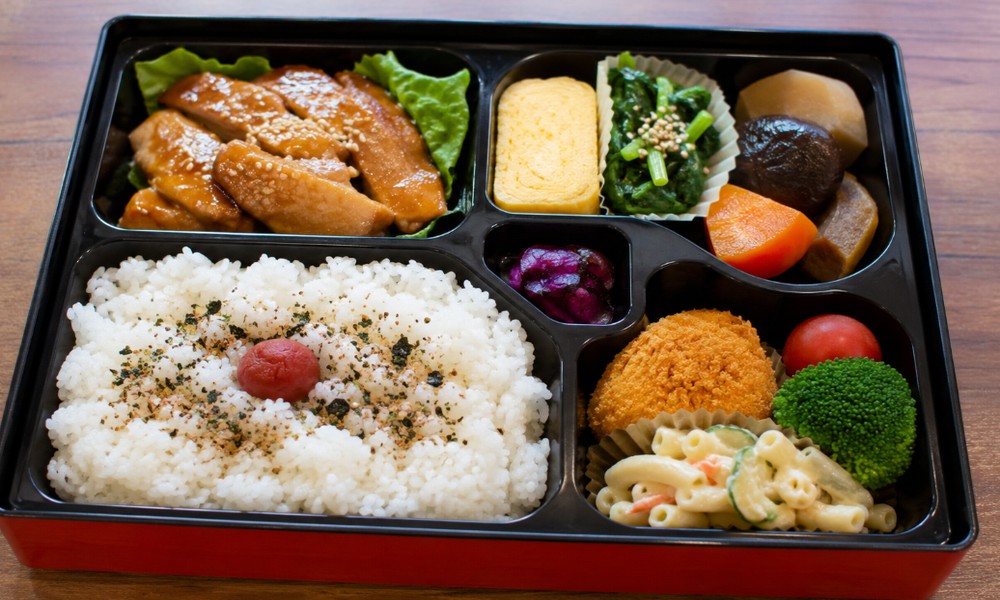
Bento culture is one of those food traditions that looks simple at first, but there is a lot of thought behind it. A bento is not just food packed into a box. It is a balanced meal arranged in a neat, practical, and often beautiful way. It usually includes rice or another grain, protein, vegetables, and small side dishes. Everything has its own place.
That is why people love looking for Japanese bento ideas. A good bento feels organized without being boring. It can be colorful, healthy, filling, and easy to carry. It also helps with portion control because the meal is already divided into sections.
For busy families, students, workers, or anyone trying to eat better, bento meals can be a smart habit. You do not need to make them perfect. You just need a few basic parts that work well together.
What Makes a Bento Meal Different?
A bento is different from a regular packed lunch because it focuses on balance. Instead of putting one large serving of food in a container, a bento uses smaller portions of different foods.
A classic bento usually has:
- A main carbohydrate, like rice or noodles
- A protein, like chicken, fish, egg, tofu, or beef
- Vegetables, fresh or cooked
- A small side dish
- Fruit or a light sweet item
The goal is to create a meal that feels complete. It should have enough food to satisfy you, but not so much that it feels heavy.
Traditional bento culture also values color. A meal with white rice, green vegetables, yellow egg, orange carrots, and brown chicken looks more inviting. It also usually means you are getting more variety in nutrients.
Why Bento Meals Support Better Nutrition
One reason bento meals are so useful is that they make balanced eating easier to see. When you open the box, you can quickly tell if something is missing. Too much rice? Add vegetables. Not enough protein? Add egg, tofu, fish, or chicken.
A balanced bento often includes:
Carbohydrates for energy
Rice is the most common base, but you can also use brown rice, quinoa, soba noodles, or even sweet potatoes.
Protein for fullness
Protein helps keep you satisfied longer. Grilled chicken, salmon, boiled eggs, tofu, shrimp, or lean meat can all work.
Vegetables for fiber and nutrients
Vegetables add color, texture, and vitamins. Steamed broccoli, cucumber slices, carrots, spinach, edamame, cabbage, and bell peppers are good choices.
Healthy fats for flavor
A small amount of avocado, sesame seeds, nuts, or dressing can make the meal more satisfying.
The best part is that a bento does not need to feel like a strict diet meal. It can still be comforting. You can include rice, sauces, and small treats. The key is balance.
Easy Japanese Bento Ideas for Beginners
If you are new to making bento, start simple. You do not need special tools or fancy food art. Basic Japanese bento ideas can still look nice and taste good.
Here are a few easy combinations:
Chicken teriyaki bento
Rice, sliced chicken teriyaki, steamed broccoli, carrot sticks, and a boiled egg.
Salmon rice bento
Rice, grilled salmon, cucumber slices, edamame, and fruit.
Egg and tofu bento
Rice, tamagoyaki or boiled egg, pan-fried tofu, sautéed spinach, and pickled vegetables.
Noodle bento
Cold soba noodles, shredded chicken, cucumber, carrots, sesame dressing, and orange slices.
Vegetarian bento
Brown rice, tofu, sweet potato, cabbage salad, edamame, and sesame seeds.
These Japanese bento ideas are simple enough for weekdays, but they still feel thoughtful.
How to Build a Bento at Home
Making bento at home is easier when you follow a basic formula.
Start with the grain first. Rice is a good base because it holds well and pairs with many foods. Then add protein. After that, fill the empty spaces with vegetables, fruit, or small side dishes.
A simple rule is:
- Half vegetables and fruit
- One quarter protein
- One quarter rice or grain
This does not need to be exact. It is just a helpful guide.
Use food dividers, silicone cups, or lettuce leaves to keep foods separate. This keeps wet foods from making dry foods soggy. It also makes the box look cleaner.
Try to include different textures too. Soft rice, crunchy cucumber, tender chicken, and crisp vegetables make the meal more interesting.
Make-Ahead Tips for Bento Meals
Bento is much easier when you prepare some items ahead of time. You do not need to cook everything fresh every morning.
You can prepare:
- Cooked rice
- Boiled eggs
- Washed and sliced vegetables
- Grilled chicken or fish
- Roasted sweet potatoes
- Pickled vegetables
- Fruit portions
Store these in separate containers in the fridge. Then, in the morning, you can build the bento quickly.
It also helps to cook extra food at dinner. Leftover chicken, rice, vegetables, or tofu can become tomorrow’s bento. This makes the whole process feel less like another chore.
Food Safety Matters
Since bento meals are often packed ahead of time, food safety is important. Let hot food cool before closing the lid. This helps prevent extra moisture inside the box.
If the bento has meat, fish, eggs, or dairy, keep it cold until it is time to eat. Use an insulated lunch bag or ice pack if needed.
Avoid packing very watery foods unless they are sealed in a small container. Sauces should also be packed separately when possible.
Final Thoughts
Bento culture shows that meals can be simple, balanced, and enjoyable at the same time. A good bento does not need to look perfect. It just needs to be practical, colorful, and satisfying.
For beginners, the best approach is to start with easy Japanese bento ideas and build from there. Choose one grain, one protein, a few vegetables, and a small side. Keep it balanced. Keep it realistic.
Over time, making bento can become a calm little routine. You open the box later and think, “Okay, this looks nice.” And honestly, that small feeling can make lunch a little better.
This post was written by a professional at Fortu. Fortu stands out among the top Restaurants St Petersburg FL, offering an elevated Pan-Asian dining experience in the heart of St. Petersburg, Florida. Celebrating Asia’s vibrant and diverse culture, Fortu introduces bright and bold flavors to a bright and bold city with a menu of locally and sustainably sourced options, from small bites to hearty delicacies. Whether winding down from a beach day or celebrating a special occasion, guests can enjoy a lush, alluring atmosphere and an authentic taste of Asia’s divine cuisine at one of the finest Restaurants On Central Ave St Pete.