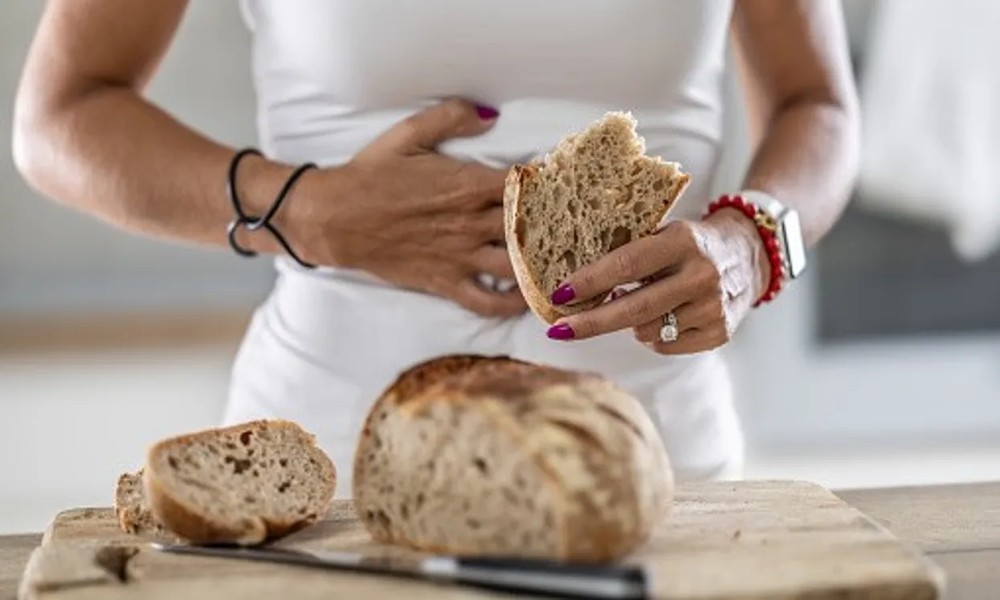
Maintaining a gluten free diet is vital to your health once you have been diagnosed with coeliac disease. It can also be expensive. Finding staple goods like gluten free bread on prescription in the UK therefore provides an important service that the NHS provides. There are options for gluten free products on prescription, providing you access to these staple goods. This guide will take you through the eligibility criteria, how to claim it, and ensure that you have access to gluten free bread on prescription for toast and sandwiches, an everyday cupboard essential.
Who is eligible for NHS gluten free bread?
To be eligible for gluten free bread on prescription through the NHS, you must first have been diagnosed with coeliac disease by a healthcare professional. The testing process includes a blood test and potential endoscopy. During the testing process it is important that you do not change your diet, as this is the only way to ensure that you are suffering from gluten ingestion. A sensitivity to gluten does not usually qualify for gluten free products on prescription.
The postcode lottery
Unfortunately, there is a postcode lottery when it comes to claiming gluten free products on prescription. This means that depending on where you live in the country, you’ll be eligible for different types of gluten free products. This includes access to gluten free bread. In Scotland, Wales, and Northern Ireland prescriptions are free and widely available. In Wales for instance, there has been the rollout of a subsidy card for gluten free food that makes it easier to access goods.
In these areas of the UK, the following gluten free products are available on prescription that cannot be accessed in England:
In England your eligibility depends on your local integrated care board (ICB). Some areas have restricted items, but two items that are commonly protected and available across England are gluten free bread and gluten free flour mixes.
How do I get my gluten free food on the NHS?
Follow these steps to gain access to gluten free bread on prescription, along with other gluten free products:
- Get an official diagnosis – It’s important that you first seek the help of medical professionals. They will put you through a process of testing for coeliac disease, including a blood test, before you can be diagnosed.
- Speak to your GP or Dietitian – Once you have been diagnosed with coeliac disease you should speak to your GP or dietitian, who will help you set up your coeliac disease prescription.
- Understand your allowance – There are monthly allowances that are worked out using numerous factors, such as age and gender, which will determine how much you can access. For example, from April 1st, 2026, people aged 25 or over in England will no longer have access to gluten free bread or flour mixes.
- Set up a pharmacy nomination – Ask your GP or dietitian to add you to the local Gluten Free Food Service (GFFS), and there you can designate your chosen pharmacy. You can fill out a Gluten Free Food Request Form from your chosen supplier and hand it to your pharmacy. In Scotland, you register directly with your pharmacy to set up a prescription.
How do I order fresh gluten free bread?
Fresh bread is baked to order, so it is important to double-check the dates and times that a pharmacy must place an order for you to receive it. Depending on how much fresh gluten free bread you have submitted in your order form for each month, this could mean a weekly delivery of fresh gluten free bread to your pharmacy. There are specific product codes that you must input to ensure you receive the loaf that you want.